
Most of us have imagined that breathtaking, up-close encounter with a whale, sea lion, or dolphin in BC’s coastal waters. These moments can and do happen, sometimes surprisingly, even when all viewing guidelines are carefully followed.
At Kingfisher Wilderness Adventures, you’ll notice we never promise “guaranteed whale sightings.” Wildlife is constantly moving, feeding, travelling, resting, and we are guests in their habitat, not the other way around. Guarantees can create pressure to deliver at any cost, sometimes shifting the focus from respect to results.
That’s not how we operate. We move patiently, give animals the space they need and follow all viewing regulations. We don’t guarantee sightings, but we do guarantee effort, experienced guides, honest communication, and a deep commitment to whale health and responsible wildlife viewing.
But too often, in the pursuit of a “once-in-a-lifetime” experience, people ignore an animal’s wellbeing, local regulations and push boundaries to get closer. What feels like a fleeting thrill for us can carry lasting consequences, disrupting natural behaviours and impacting the broader marine ecosystem these animals depend on.
Northern Vancouver Island is home to an incredible diversity of marine life: humpback whales, orcas, porpoises, Steller sea lions, harbour seals and more. Every one of these species depends on predictable feeding, resting, socializing and migration patterns to survive. When humans get too close, move too fast, or stay too long, we can unintentionally disrupt those natural behaviours.
Responsible wildlife viewing isn’t about missing out. By observing without altering an animal’s natural behaviour, we help ensure they remain truly wild, now and for generations to come.
“Wildlife Encounters Should Happen as if You Weren't There”
- Jackie Hildering
Whether you’re on a kayak, boat, paddleboard, or watching from shore, here are practical ways to observe these amazing animals without disturbing them:
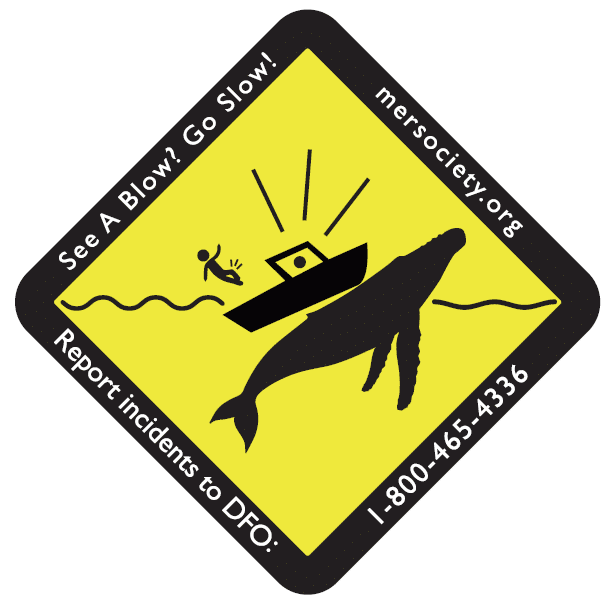
Always keep a safe and respectful distance from marine mammals. This protects both you and the animal. In B.C., the Marine Mammal Regulations require minimum approach distances depending on species and behaviour (for example: 100 m for most whales/dolphins, 200 m when resting or with calves, and up to 400 m for killer whales in some areas). And when in doubt, stay farther back.
Do not swim with, feed, pet, touch, or attempt to interact with marine mammals, it’s harmful to them and can be unsafe for you.
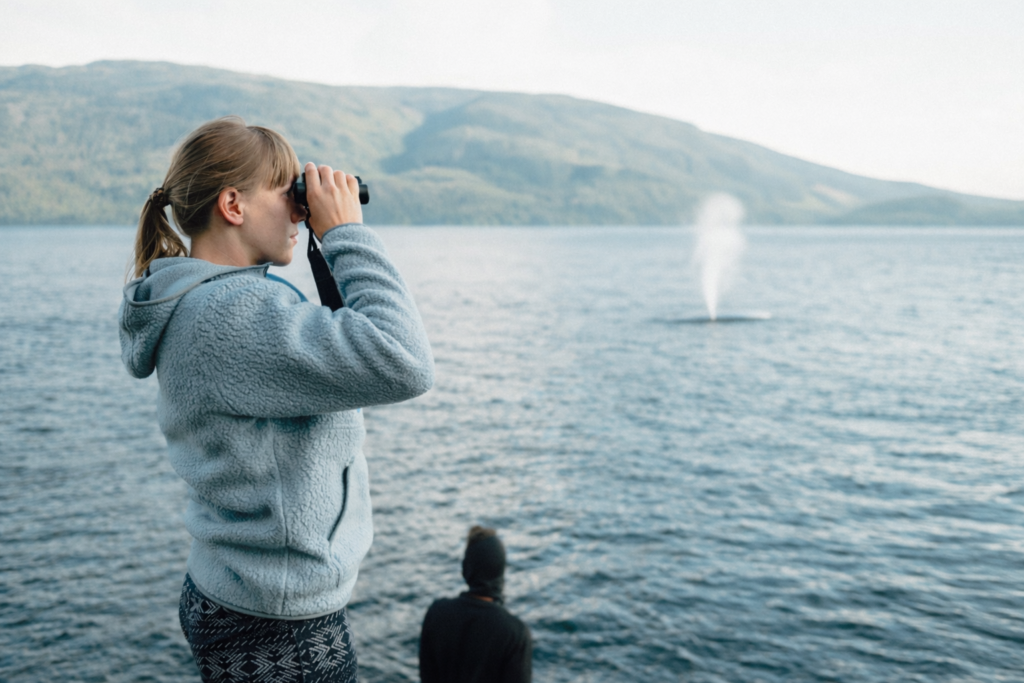
Use binoculars and a telephoto lens to capture the moment without closing the gap.
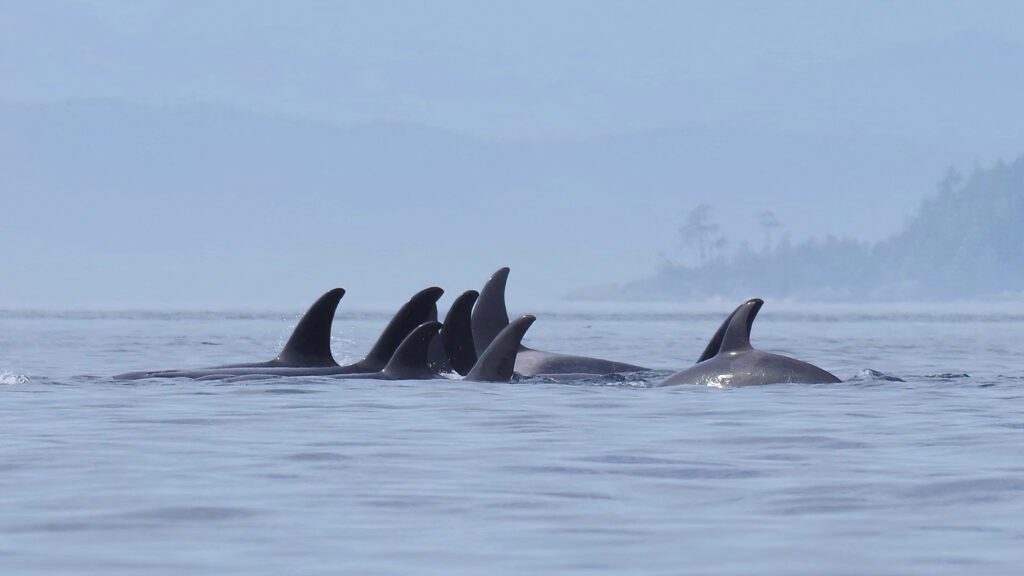
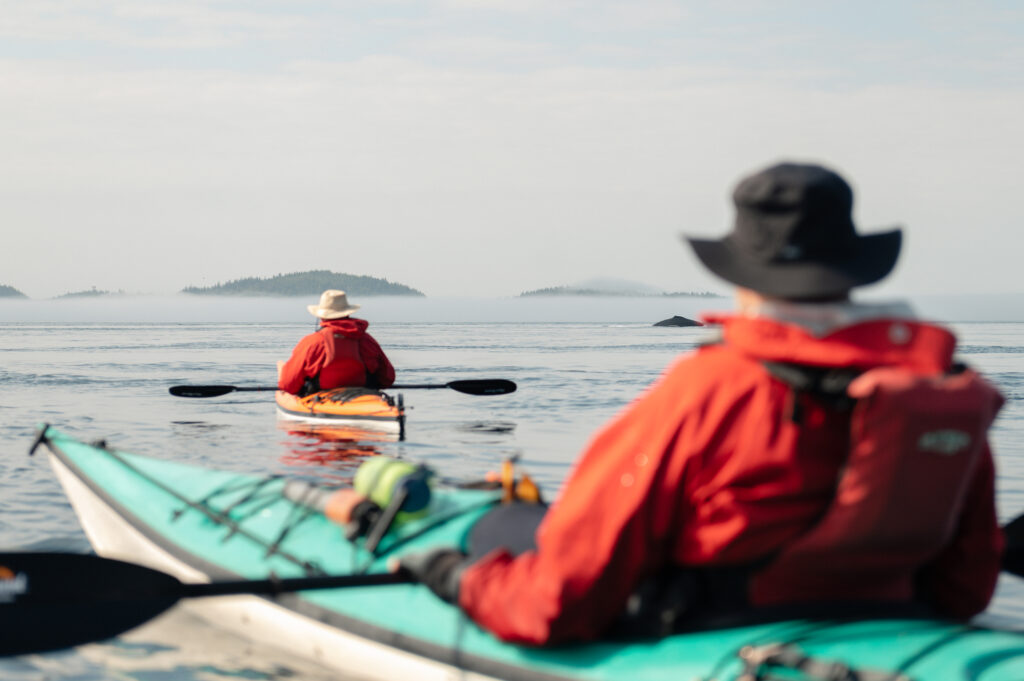
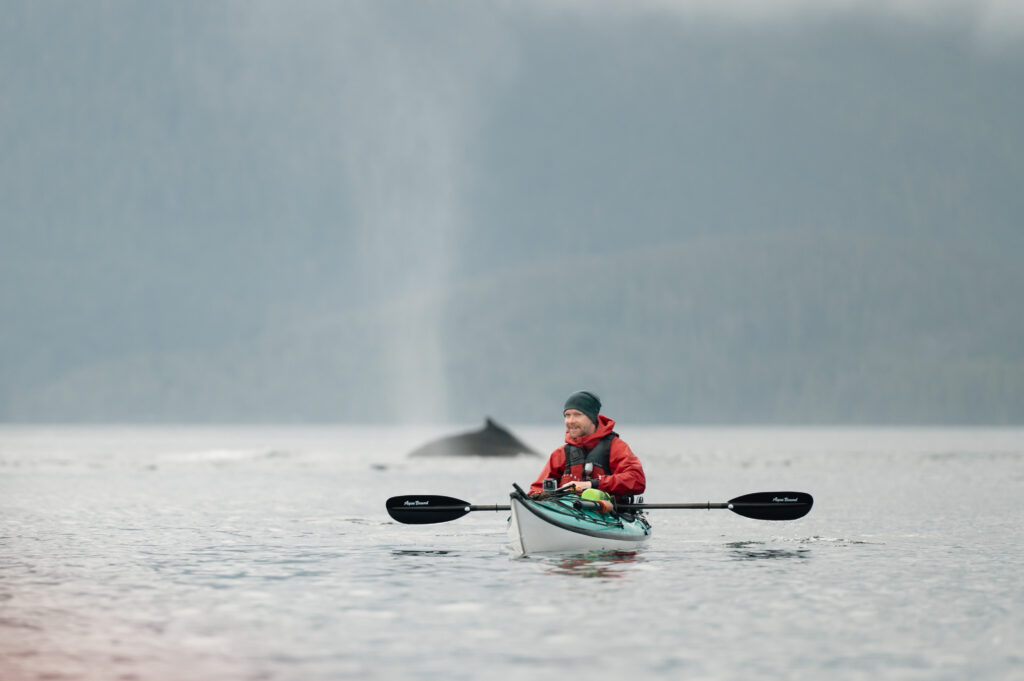
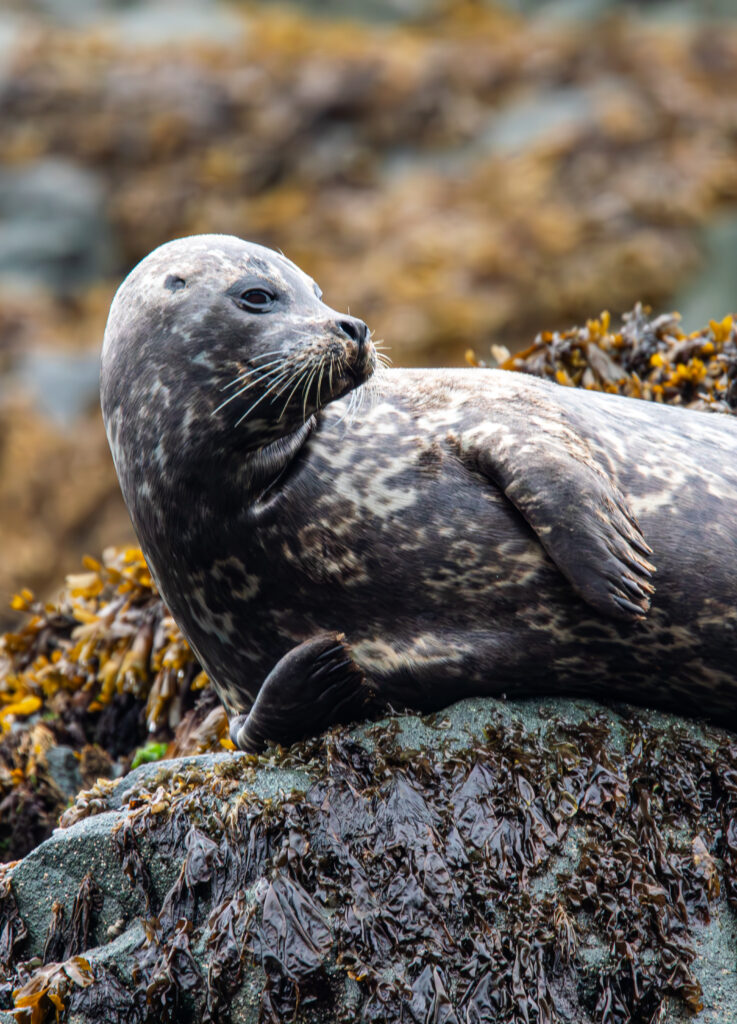
*All of these photos were taken with a telephoto lens! Still an incredible moment, captured without getting physically close.
Sometimes responsible wildlife viewing is easier to understand by looking at what not to do.
Chasing a whale to get closer. Cutting across its path to anticipate where it might surface. Idling directly in front of a travelling pod. Surrounding animals with multiple vessels. Staying too long because “just one more breach” might happen.
Another common mistake is assuming that if an animal approaches you, it’s an invitation to engage. In reality, the responsibility to maintain distance still falls on us. If a whale surfaces unexpectedly nearby, the correct response isn’t to move closer, it’s to slow down, remain predictable, and allow the animal space to choose its path.
Noise is another invisible pressure. Revving engines, shouting, drone use, and erratic vessel movement all contribute to underwater disturbance. For species that rely on sound to navigate and communicate, our presence can quite literally drown out their world.
There’s also a modern layer to wildlife disturbance that doesn’t happen on the water, it happens online.
Photos and videos of whales surfacing metres from boats can be powerful. They can also be misleading.
When images are shared without context, they may unintentionally suggest that extreme proximity is normal, safe, or acceptable. Others may try to recreate that same moment, sometimes ignoring regulations or pushing boundaries to do so. A single viral clip can influence hundreds of future encounters, negatively or positively, so choose wisely.
Both of the above images were captured on separate Kingfisher adventures. We share moments like these rarely, and thoughtfully, because without context, they can create the false impression that encounters like this can or should be recreated.
In both instances, all wildlife viewing guidelines were followed. That said, animals are wild and unpredictable. They may choose to surface or pass nearby, and the use of a telephoto lens can also compress distance, making wildlife appear much closer than they truly were.
These surprise encounters do happen, and they should always be on the animal’s terms. When sharing images online, we believe context matters. Our goal is never to create unrealistic expectations, but to foster respect for wildlife and the space they need.
That once-in-a-lifetime moment, the exhale of a humpback in the still morning air, the quiet roll of a passing orca, is powerful precisely because it’s wild.
We don’t need to chase it. We don’t need to control it.
When we observe without disturbing, we protect the magic of these encounters. We allow whales to feed, rest and raise their young. We ensure future paddlers, boaters and coastal communities can continue to share this extraordinary place.
Out here, the greatest sign of respect is restraint.
Observe. Don’t disturb. And let the wild stay wild.
If you’re inspired to experience marine wildlife for yourself, choose your tour provider thoughtfully. Ethical wildlife viewing should always come before the photo opportunity. For immersive, multi-day journeys by kayak, we invite you to join us at Kingfisher Wilderness Adventures. We strictly follow all provincial wildlife viewing guidelines, and our guides do an exceptional job educating guests about whale health, safety, and respectful observation practices.
For day trips, we’re proud to work alongside partners who share these same values: Coastal Rainforest Safaris and Sea Wolf Adventures. No matter how you choose to explore, responsible operators help ensure these incredible animals remain protected for generations to come.